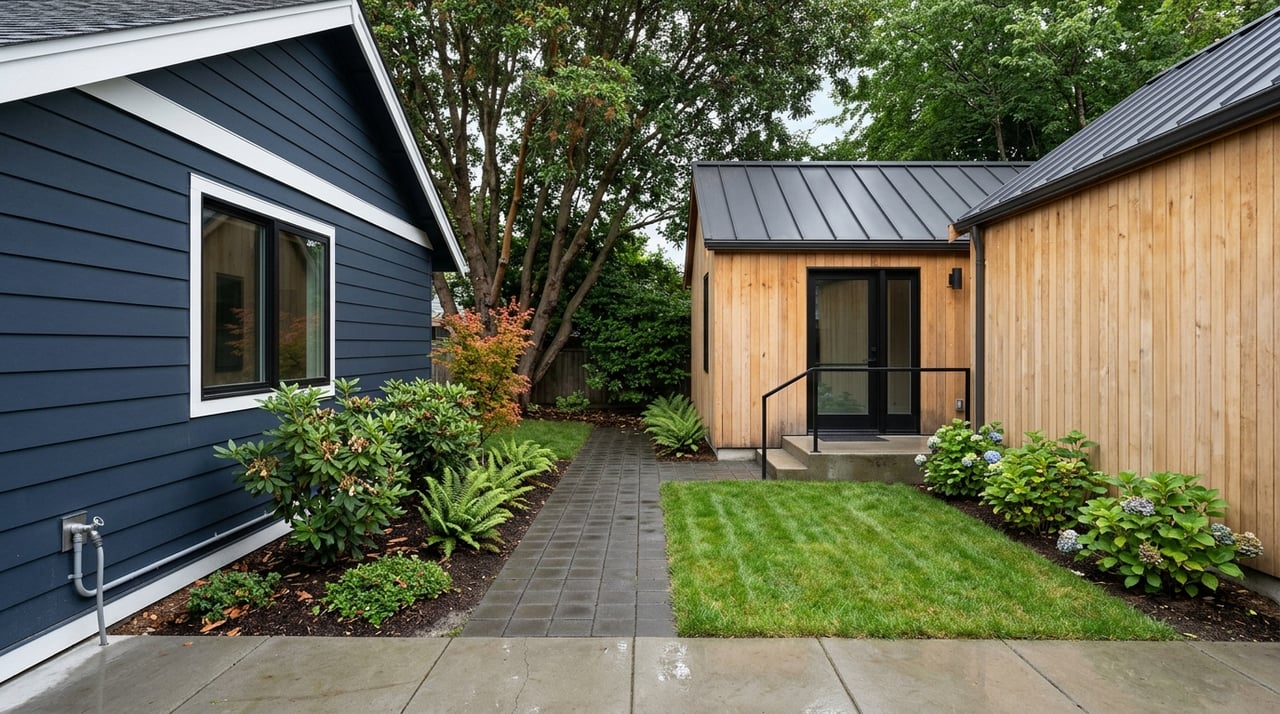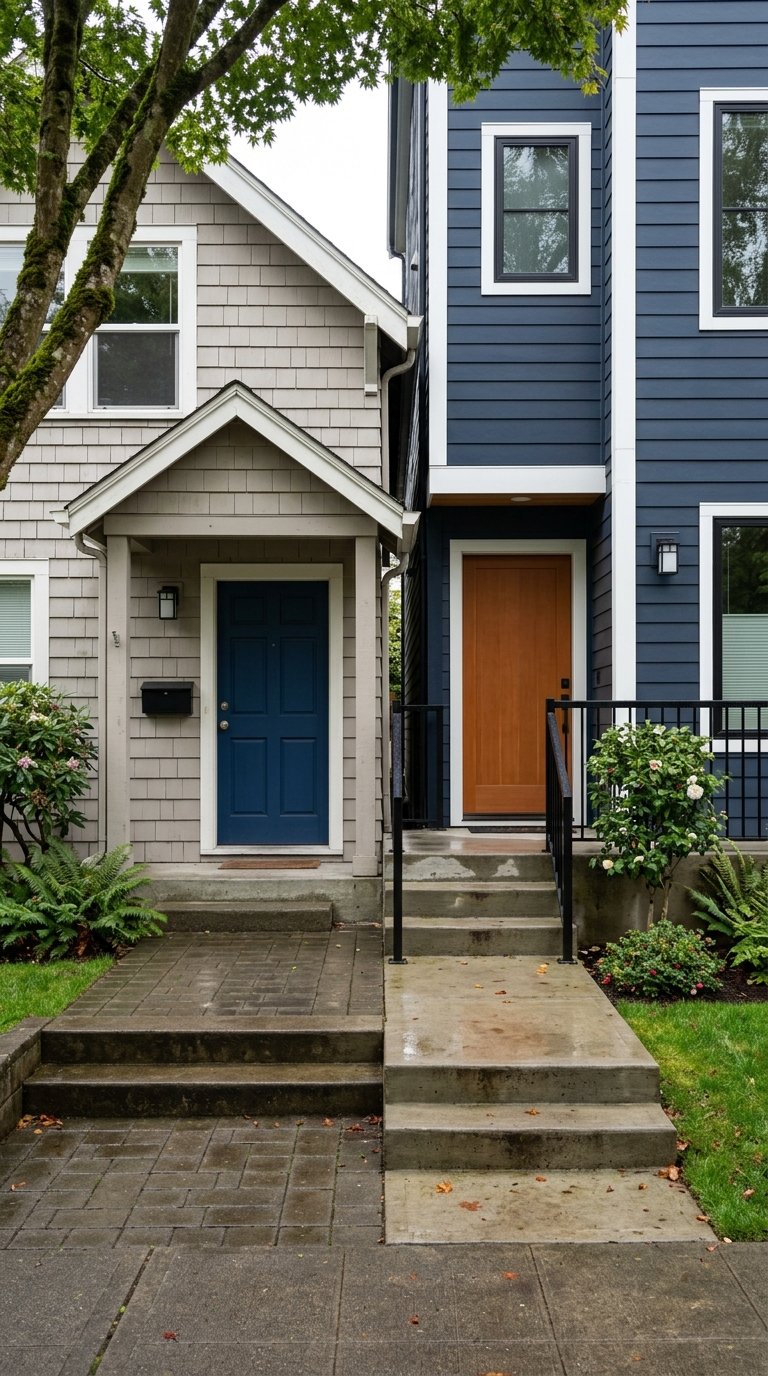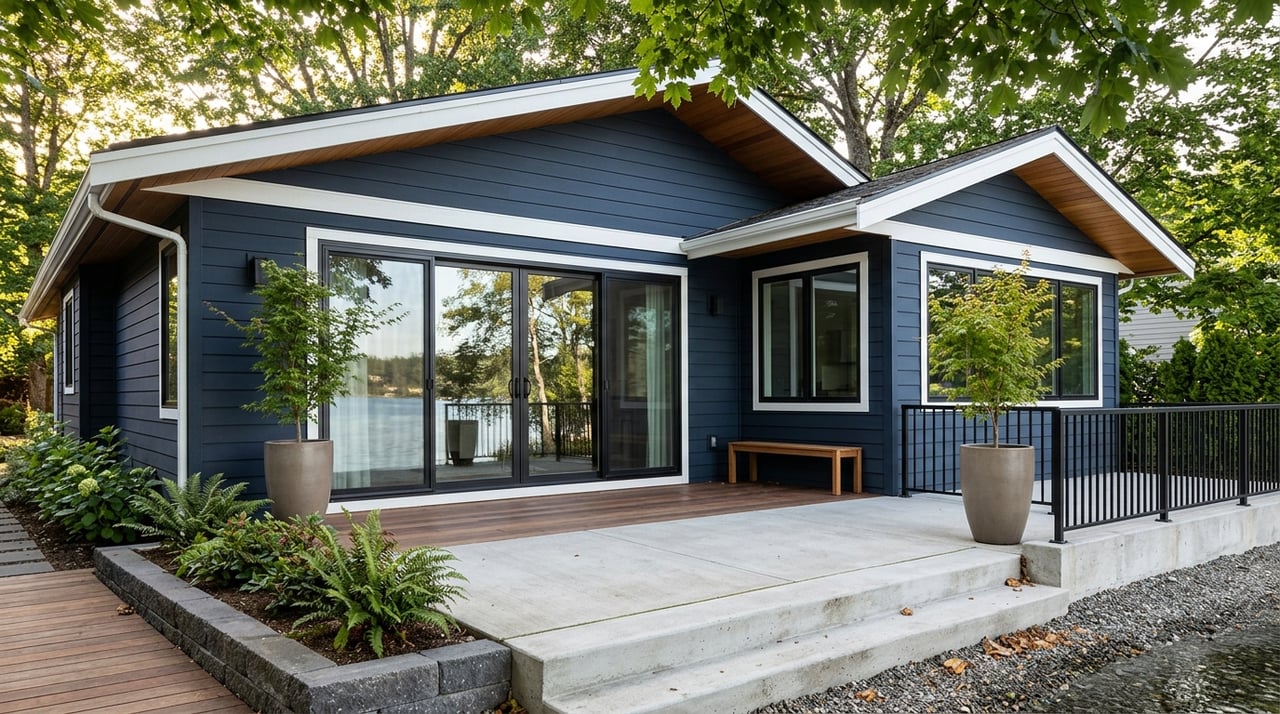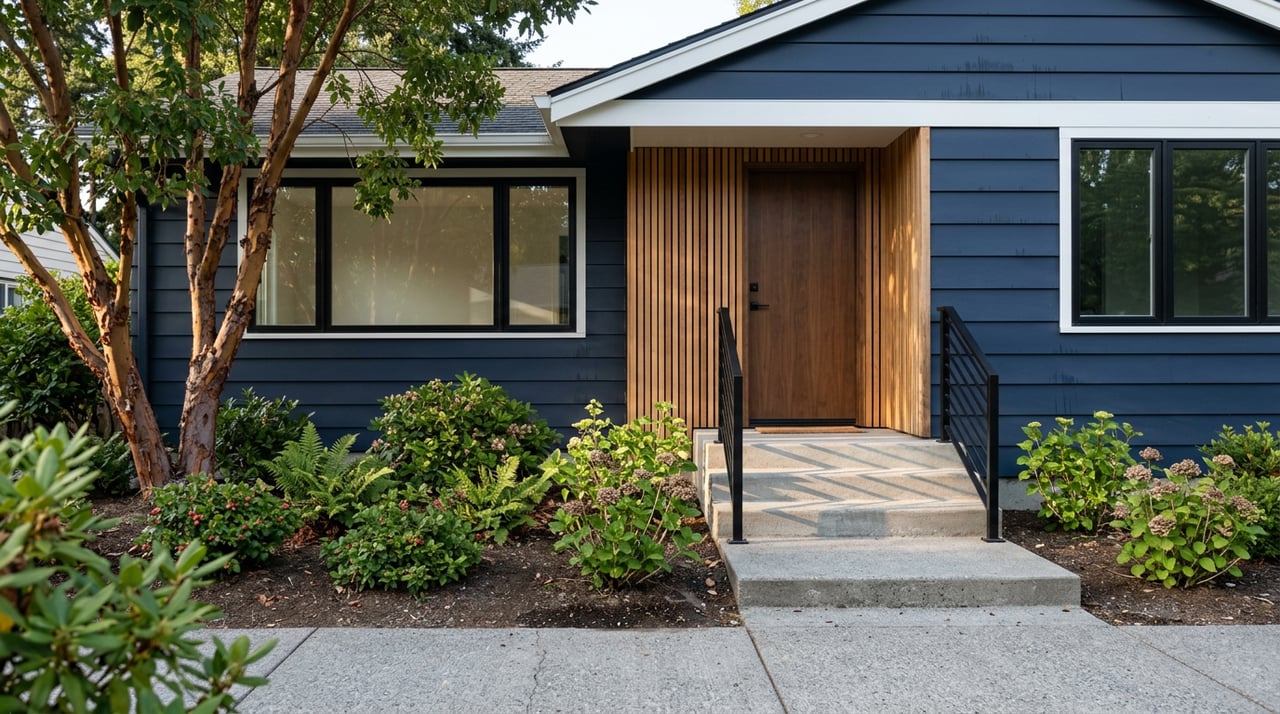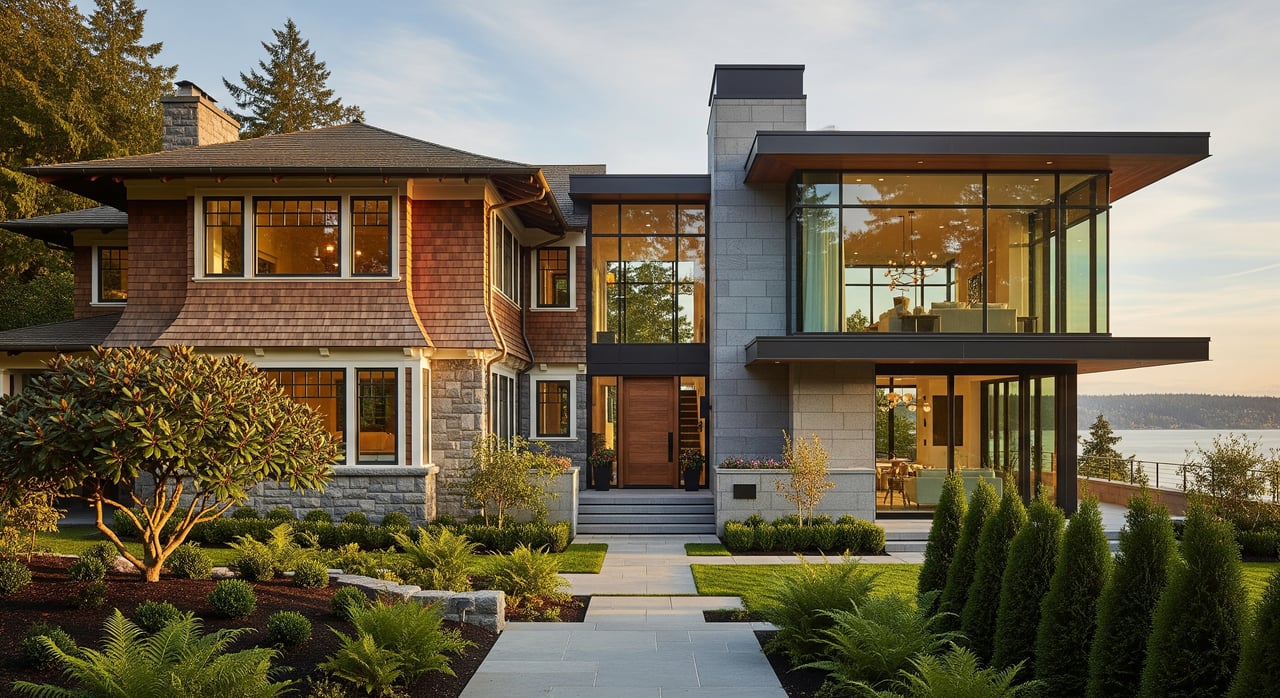
Torn between a shiny new build and a beautifully renovated classic in Kirkland’s Highlands? Both paths can deliver the lifestyle you want, but the best choice depends on your lot, budget, timing, and tolerance for construction. You also want to understand how Kirkland’s codes, energy standards, and permitting can affect cost and timing. In this guide, you will compare total cost of ownership, timelines, financing, energy performance, and resale factors specific to Highlands so you can move forward with confidence. Let’s dive in.
Highlands at a glance
Highlands sits on a hill above downtown Kirkland with mature trees, mid‑century homes, custom houses, and newer infill. Many properties enjoy views toward Lake Washington and the Seattle skyline. Proximity to downtown Kirkland, Totem Lake, neighborhood parks, I‑405, and the Cross Kirkland Corridor drives demand.
Lot features matter here. Topography, tree cover, and view corridors often determine whether a home is preserved and remodeled or torn down and rebuilt. When inventory tightens, new construction can command a premium. When resales are plentiful, a well‑executed renovation on a great lot can compete on price and move‑in readiness.
What truly drives cost
Think beyond the list price. In Highlands, your total cost of ownership over 5 to 10 years should guide the decision.
Key cost categories to budget:
- Purchase price
- Construction or renovation hard costs
- Soft costs, including architect and engineer fees, permits, utility connections, and surveys
- Financing costs, including construction loan interest carry or renovation loan fees
- Closing costs and taxes
- Moving and possible interim housing
- Ongoing costs, including utilities, maintenance, insurance, and property taxes after reassessment
What to expect:
- New construction typically has a higher upfront price per square foot because you are replacing everything to current standards. Near‑term maintenance tends to be low, and modern systems can reduce utilities.
- Renovations vary widely. Cosmetic upgrades are usually faster and more cost‑effective. Full‑gut or structural projects, especially with additions or significant repairs, can approach the cost of new construction.
- Over several years, a higher upfront price for a new build may be offset by lower repair risk and improved efficiency. A lower purchase price for a renovated home can work well, but plan a contingency reserve for surprises.
Financing paths to compare
Financing can be very different for each route, and many Eastside homes fall into jumbo loan territory.
- New construction: Most buyers use construction‑to‑permanent or construction‑only loans, then convert to a standard mortgage. Expect draw schedules, inspections, and interest carry during the build.
- Renovated purchases: Options include a conventional mortgage plus a contractor payoff, Fannie Mae HomeStyle Renovation, FHA 203(k) for qualifying borrowers, or a HELOC or personal loan for smaller projects. Terms vary by borrower profile and loan type.
- Jumbo vs conforming: On the Eastside, many loans are jumbo, which can affect rates and down payment requirements.
Build quality and energy
Washington’s State Energy Code requires new homes to meet current standards for insulation, HVAC, ventilation, and overall efficiency. Renovations generally must meet code in the areas you alter, but you are not required to upgrade untouched systems.
What this means for you:
- New builds usually deliver better baseline efficiency, comfort, and indoor air quality.
- Renovations can close the gap if you upgrade insulation, windows, HVAC, and ventilation during the project.
- Local green programs such as Built Green and third‑party certifications like ENERGY STAR for Homes are commonly used on the Eastside. Utility incentives are often available for heat pumps, high‑efficiency water heaters, weatherization, and EV charging. These can lower the effective cost of electrification in both new and renovated homes.
Permits, trees, site rules
Kirkland’s regulations can shape scope, cost, and timeline, especially on treed or sloped lots.
- Tree protection: Significant tree removal often requires an arborist report and mitigation plan. Expect added review and potential design adjustments to preserve canopy.
- Critical areas: Steep slopes, drainage, and other site constraints can trigger specialized engineering and longer reviews.
- Permitting: Plan review timelines vary by season and staffing. Larger projects can take several weeks to months for permit issuance.
- Fees: Development impact fees and utility connection fees may apply, especially for new units or significant additions.
Timeline and disruption
Plan your move‑in target with realistic buffers.
- New construction: Design and pre‑construction 1 to 6 months, permits 1 to 3 months or more, construction 6 to 12 months. Total is commonly 9 to 18 months or longer, depending on complexity and weather.
- Full‑scale renovation: Design 1 to 3 months, permits 1 to 3 months, construction 3 to 9 months or more. Total is commonly 3 to 12 months.
- Cosmetic updates: About 2 to 12 weeks, depending on contractor availability and scope.
Common risk factors include plan review backlogs, arborist and tree mitigation steps, critical area reviews, utility coordination, and materials or labor availability. Major projects often require you to live elsewhere during construction, so include interim housing and storage in your budget.
Resale and appreciation
In Highlands, appreciation depends more on the lot, micro‑location, and market conditions than the label new or renovated. A well‑located home with views and mature landscaping can outperform a newer home on a less desirable lot. That said, buyers increasingly value modern layouts and energy efficiency, which help new builds command a premium. Neither path guarantees faster appreciation, so anchor your decision to the lot and long‑term livability.
Decision framework for Highlands buyers
Use this simple process to choose with clarity:
- Define priorities. Decide on your move‑in timeline, must‑have features, tolerance for disruption, and how long you plan to own the home.
- Assess the lot. If you find a rare view lot or excellent micro‑location, renovating or rebuilding on that lot may outperform buying a new home on a lesser site.
- Estimate true costs. Get quotes from at least two reputable builders and two contractors for comparable scopes. Include permit fees, utility hookups, financing carry, and tax impacts.
- Consider energy and systems. For renovated homes, factor in the remaining life of HVAC, roof, windows, and appliances. For new builds, verify included energy features and any builder certifications.
- Check resale potential. Favor established streetscapes, mature trees, and access to amenities. Pair that with floor plans and efficiency that match current buyer expectations.
- Confirm financing. Secure pre‑approval for construction or renovation financing, and verify jumbo loan requirements if applicable.
Checklist: new build due diligence
- Verify the builder’s license, references, and prior projects in Kirkland or Highlands
- Review included warranties, such as workmanship and structural coverage
- Confirm tree protection needs early, including arborist reporting and potential mitigation
- Ask for modeled energy use or utility estimates and available incentives
- Review grading and drainage plans, including any retaining walls or engineered solutions
- Confirm potential impact fees, utility connection fees, and any street improvements
Checklist: renovated resale due diligence
- Order a full home inspection, plus roof, foundation, sewer scope, electrical panel, and HVAC evaluations as needed
- Review permit history to ensure prior work was permitted and finaled
- Get itemized contractor bids for planned work and include a 10 to 20 percent contingency
- Check for hazardous materials common in older homes, and price proper abatement
- Prioritize staged renovations: envelope and structure first, then mechanicals, then finishes
Which path fits your goals
Choose a new build if you want:
- A modern floor plan, current systems, and strong baseline efficiency
- Lower near‑term maintenance risk and predictable utility performance
- A long ownership horizon that lets you benefit from reduced repair costs over time
Choose a renovated home if you want:
- A top‑tier lot, views, or established street that you can improve over time
- Faster move‑in with cosmetic updates, or a targeted remodel rather than a full rebuild
- Potential value upside by solving known issues and modernizing key spaces
Work with a local advisor
Highlands offers both beautifully renovated classics and standout new builds. The best choice depends on the specific lot, true project costs, and your timeline. If you want clear, practical guidance grounded in local construction know‑how, we are here to help you run the numbers, vet scopes, and navigate Kirkland’s process with confidence. Ready to compare options for your shortlist and map a plan that fits your goals? Connect with Stephanie Stanford to get started. Request a personalized market + renovation consultation.
FAQs
Which costs matter most when choosing new vs renovated in Highlands?
- Look beyond list price to total cost of ownership, including purchase, hard and soft costs, financing carry, fees, interim housing, and ongoing utilities and maintenance over 5 to 10 years.
Will a new build appreciate more than a renovated home in Kirkland?
- Not necessarily. Appreciation is driven by lot quality, micro‑location, and market conditions. New homes can command a premium, but great lots with smart renovations can perform as well or better.
How do energy costs compare between new and renovated homes?
- New builds must meet the current Washington State Energy Code, so they are typically more efficient. Major renovations that upgrade insulation and HVAC can narrow the gap.
How long do permits usually take in Kirkland for major projects?
- Timelines vary with scope and season. Plan for several weeks to months for plan review and permit issuance on significant renovations or new construction.
Do I need an arborist report for tree removal on a Highlands lot?
- Often, yes. Kirkland’s tree protection rules frequently require an arborist report and mitigation plan for significant removals or site disturbance.
What are the main financing differences between new builds and renovations?
- New builds commonly use construction‑to‑permanent loans with draws and interest carry. Renovations may use HomeStyle, FHA 203(k), a HELOC, or a standard mortgage plus contractor payoff, and many Eastside loans are jumbo.