Wondering how much you really need to do before selling a Magnolia view home? In this neighborhood, buyers are often judging more than finishes and square footage. They are also paying close attention to the outlook, the lot, and how confidently the property has been prepared for market. If you want your home to stand out and feel worth its asking price, a focused prep plan can make all the difference. Let’s dive in.
Why Magnolia prep is different
Magnolia is not a one-size-fits-all neighborhood. King County describes it as a primarily residential area with limited access points, larger lots, and a more suburban feel than many other parts of Seattle. The assessor also notes that about 40% of parcels have some degree of view, often including Puget Sound, the Seattle skyline, the Cascades, or the Olympic Mountains.
That matters because a Magnolia sale often hinges on more than the house itself. Buyers are also evaluating how the home sits on the land, how the outdoor spaces connect to the view, and whether the property feels well maintained from the street to the bluff edge. In some cases, site condition can carry just as much weight as interior style.
Topography is part of that story. King County notes that landslides have been recorded in parts of Magnolia, and some parcels have retaining walls or other stabilization features. For bluff-side or view properties, smart preparation means making the home look beautiful while also making the property feel clear, orderly, and documented.
Start with exterior presentation
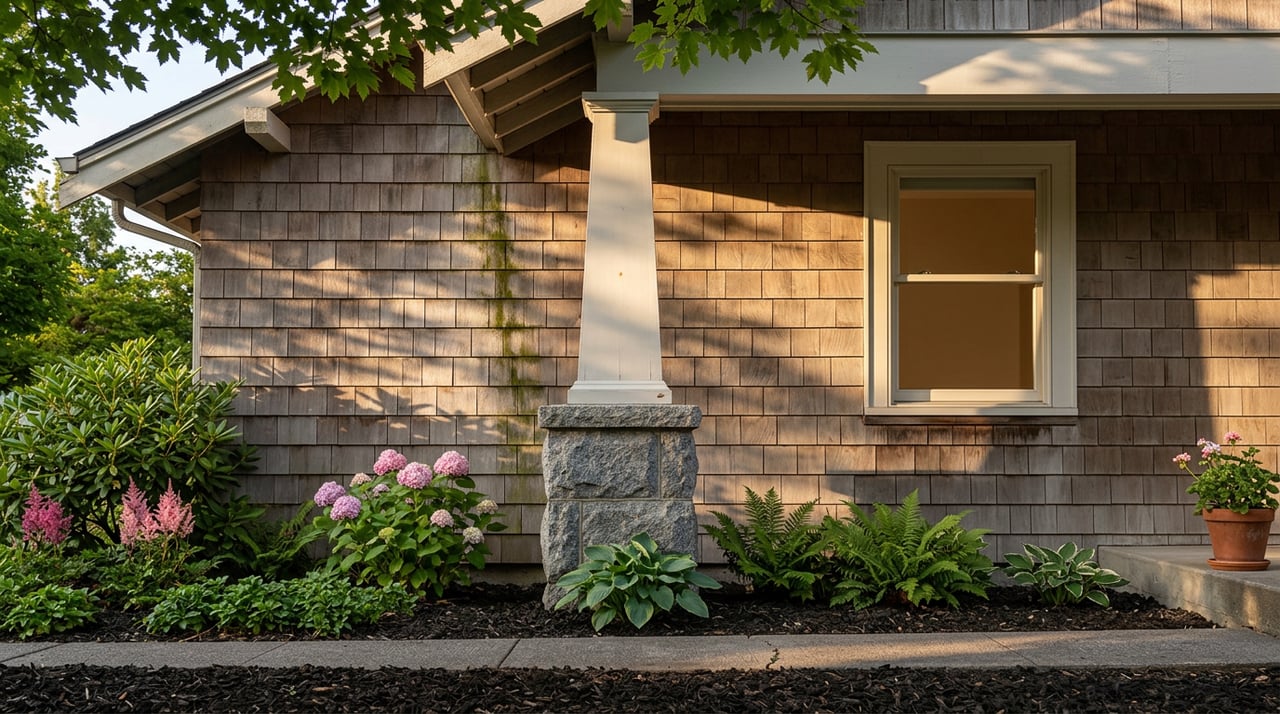
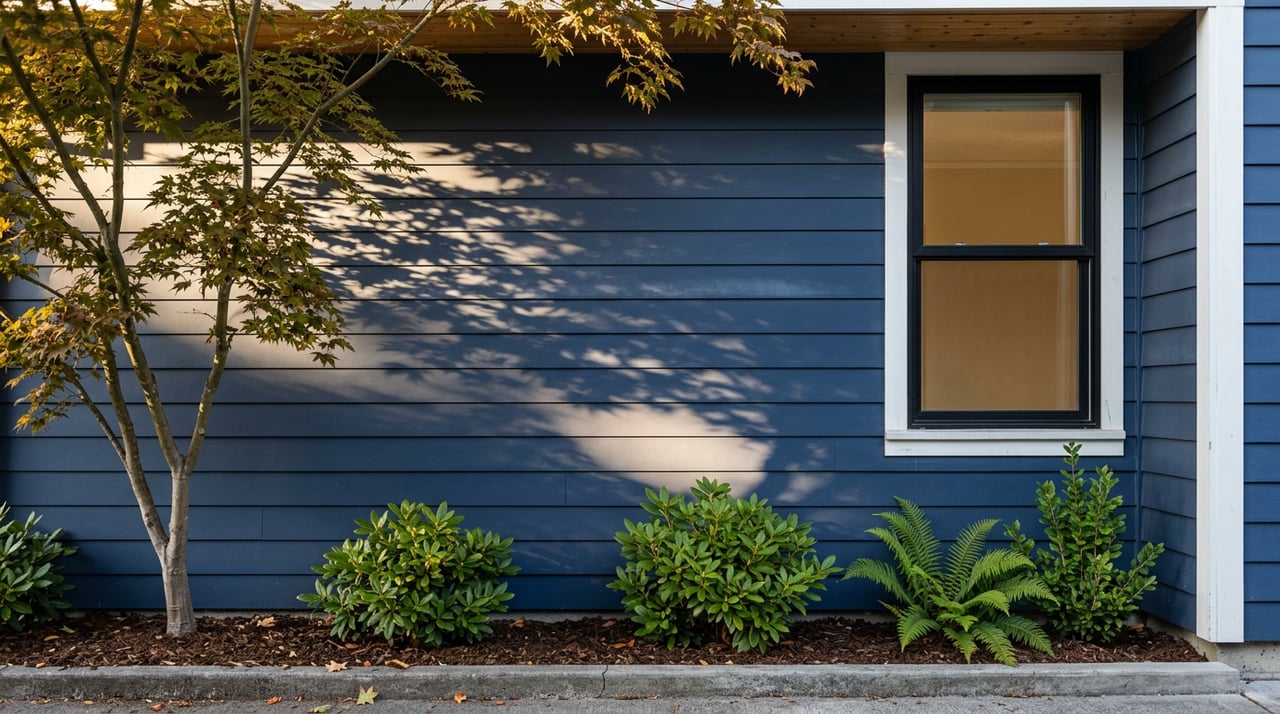
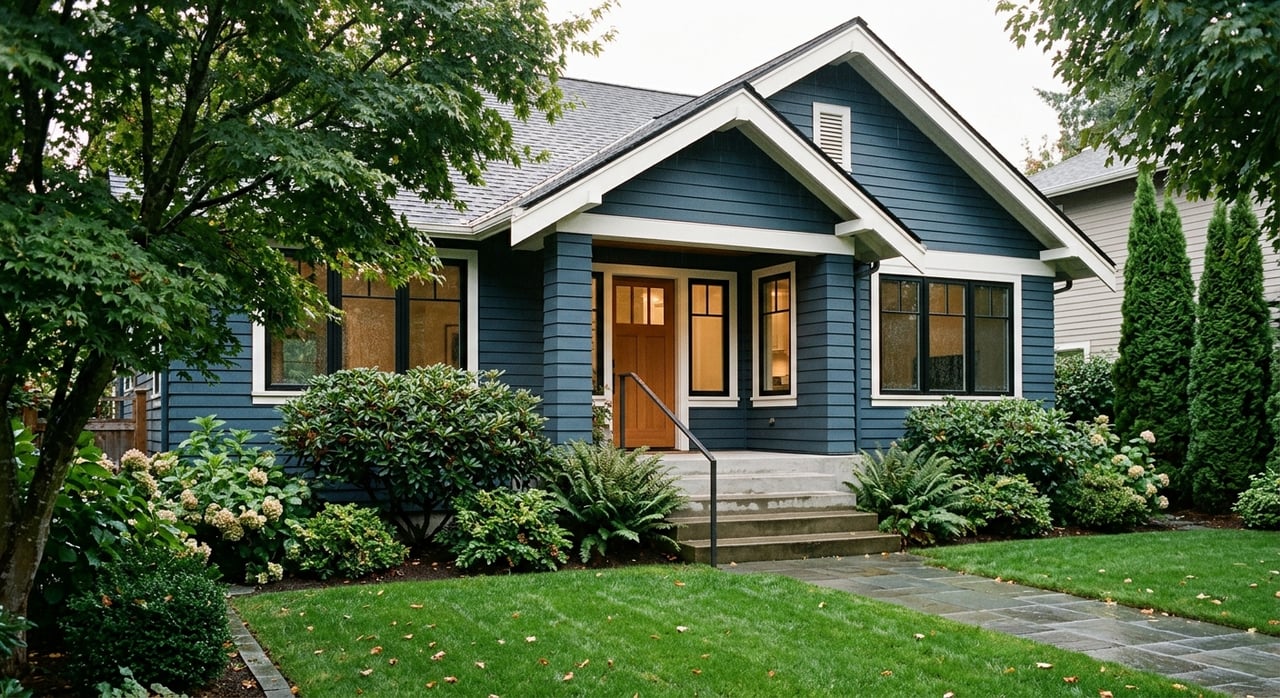
For many Magnolia homes, the outside is where the biggest gains happen first. View homes are often sold on light, outlook, and outdoor usability, so landscaping and exterior care tend to shape the first impression before a buyer even steps inside.
National Association of REALTORS® remodeling data found strong cost recovery for outdoor work, including 104% for landscape maintenance, 100% for an overall landscape upgrade, 87% for tree care, 95% for a new patio, and 89% for a new wood deck. These are national estimates, not guarantees, but they point to a consistent truth: polished exterior work often pays off better than overbuilding.
In Magnolia, that usually means simple, disciplined improvements like:
- Fresh mulch and crisp bed edges
- Trimmed hedges and controlled plant growth
- Clean walkways, stairs, and hardscape
- Working irrigation
- Deck or patio touch-ups
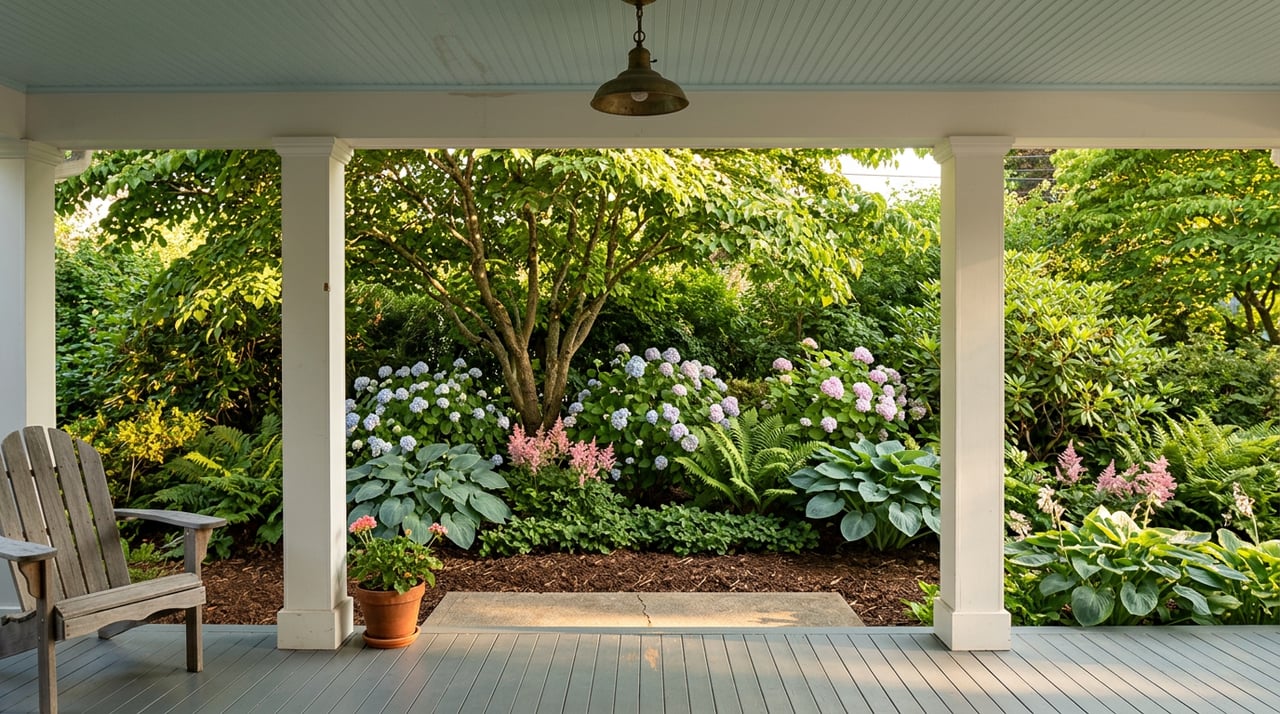
- Clear, intentional paths to outdoor seating or view points
The goal is not to overdesign the yard. The goal is to help the property read as cared for, usable, and easy to understand.
Protect the view legally and thoughtfully
A common Magnolia question is whether tree work could improve the view before listing. Sometimes it can, but Seattle regulates tree removal on private property and in the public right-of-way. Protected trees may require Seattle Department of Construction and Inspections approval, and street-tree pruning or removal can also require permits.
That means view enhancement should never start with heavy trimming or removal before checking the rules. If a tree is protected, located in the right-of-way, or within an environmentally critical area, the requirements may be more involved. In a neighborhood where views matter, careful planning is much better than a rushed shortcut.
Focus interior updates where buyers look first
Not every room needs a major upgrade before sale. In fact, selective work is often the better strategy, especially when your goal is to improve presentation without sinking money into projects buyers may not value the same way.
NAR defines staging as cleaning, decluttering, repairing, depersonalizing, and updating the home so buyers can picture themselves living there. In its 2025 staging survey, 83% of buyers’ agents said staging made it easier for buyers to visualize a property as a future home.
For a Magnolia view home, the highest-impact spaces are usually the ones buyers remember in photos and during the first walkthrough:
- Main living area
- Primary bedroom
- Dining area
- Office or flex room
Neutral paint, repaired trim, clean floors, simplified furnishings, and updated lighting usually do more for resale than highly personalized design choices. If you are deciding where to spend, start with the rooms tied most directly to light, view, and everyday living.
Keep the view as the hero
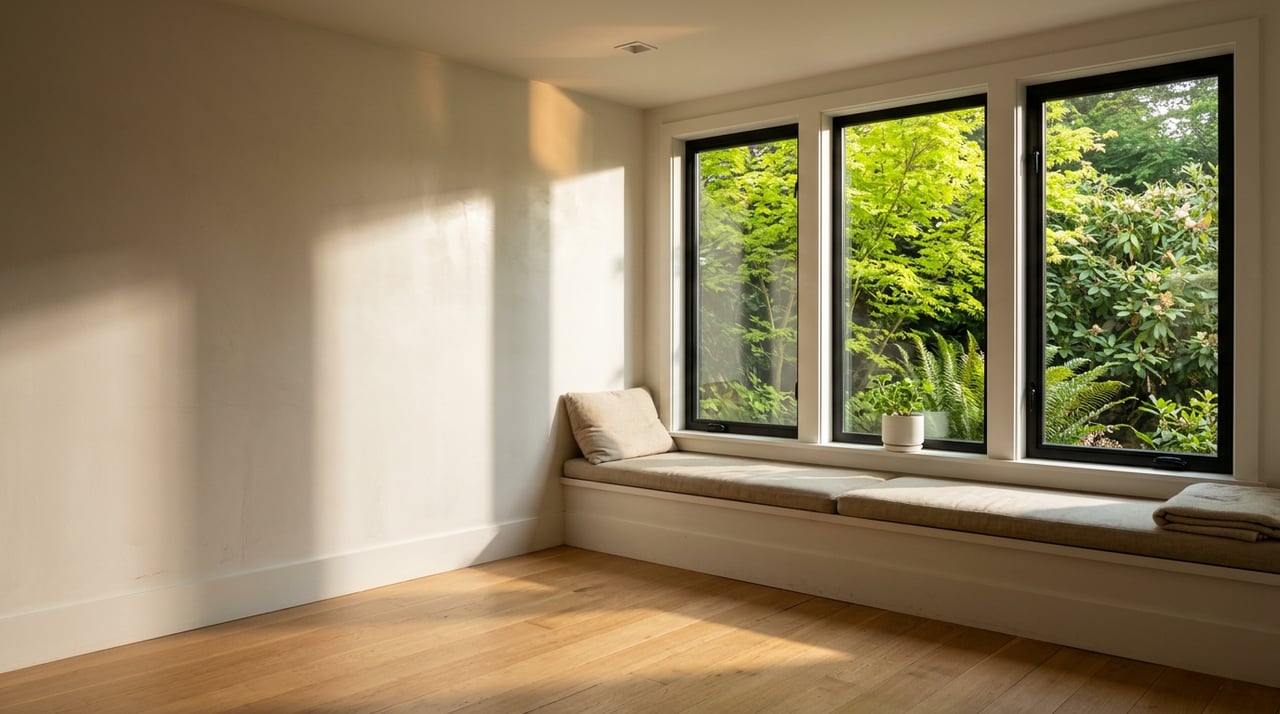
Inside the home, every choice should support the outlook rather than compete with it. Heavy window treatments, oversized furniture, crowded shelves, and visual clutter can pull attention away from one of Magnolia’s biggest selling points.
A strong prep plan helps buyers notice the right things. That might mean opening sightlines, editing accessories, repositioning furniture, or reducing anything that blocks natural light. When the home feels calm and open, the view has room to do its job.
Avoid big projects with uncertain payoff
It can be tempting to think a premium listing needs a dramatic pre-sale renovation. In most cases, that is not the safest use of time or money. The stronger strategy is usually to fix visible maintenance issues and invest in improvements buyers will notice right away.
That same NAR outdoor-features report offers a useful warning. A new in-ground pool was estimated at just 56% cost recovery. The lesson is not that every big project is wrong. It is that major additions can be much less predictable than maintenance, cosmetic updates, and presentation-focused improvements.
If you are preparing a Magnolia home for sale, the best question is usually not, "What can we add?" It is, "What will reduce buyer hesitation and make the home feel clearly worth the price?"
Make photography part of the prep plan
Today, your first showing usually happens online. NAR reports that 81% of buyers rated listing photos as the most useful feature during their online search. Zillow also reports that 79% of recent buyers shopped online, and nearly half said professional photos were extremely or very important to their experience.
That makes photography a core part of the sale strategy, not a final errand. In Magnolia, your photos should do more than document rooms. They should communicate the property’s light, outlook, and sense of place.
Zillow recommends 22 to 27 photos as the ideal listing range and advises sellers to deep clean, declutter, depersonalize, and fully prepare the home before the shoot. It also recommends clean windows, good natural light, angled exterior photos, and showing notable views and architectural details.
Magnolia photo priorities
For a Magnolia view home, the strongest photo plan often includes:
- A lead image with the best exterior or strongest view
- The living room photographed in natural light
- The primary suite and dining area
- Any office or flex room that adds function
- At least one clear image of the view or outdoor room
- Clean windows and, where appropriate, removed screens to help the view read clearly
The order matters too. NAR notes that visibility starts at launch, and early saves and shares can influence how much traction a listing gets. That is why the lead image, photo sequence, and listing presentation should be finalized before the home goes live.
Watch for Seattle-specific site issues
Magnolia sellers should be especially careful when pre-sale work goes beyond cosmetics. Seattle SDCI states that most projects require a permit, while painting or cleaning usually does not. Additions and remodels do require a construction addition or alteration permit, and even smaller projects may need permits if they affect load-bearing supports or the building envelope.
This is especially important for homes on bluffs or near shoreline areas. Seattle’s Environmentally Critical Areas code covers geologic hazard areas, including landslide-prone areas, liquefaction-prone areas, and steep-slope erosion hazard areas. The city also states that the shoreline district includes land within 200 feet of listed water bodies, including Puget Sound and Elliott Bay.
For some Magnolia properties, that means drainage work, grading, retaining walls, and other site changes may come with extra rules or approvals. If your home is bluff-side or shoreline-adjacent, pre-listing prep should be guided by what is both effective and allowed.
Have documentation ready
Premium buyers tend to feel more comfortable when the property file is clear. If your home has had retaining wall work, drainage improvements, permit history, stabilization work, or arborist reports tied to view maintenance, gather those records early.
This does not just help answer questions. It can also reduce uncertainty around the lot and improve confidence in the home’s overall condition. In a neighborhood shaped by topography, good documentation is part of good presentation.
Use a smart prep sequence
For most Magnolia view homes, the best path is a practical one. Compass notes that Concierge can front the cost of services such as staging, flooring, painting, deep cleaning, decluttering, landscaping, interior and exterior painting, and certain repairs, with payment due at closing subject to program terms.
That kind of support is often most effective when it is applied to visible, strategic improvements rather than major reconfiguration. A thoughtful prep sequence usually looks like this:
- Resolve visible maintenance issues
- Refresh landscaping and outdoor spaces
- Address view corridors carefully and legally
- Stage the key living spaces
- Photograph the home in its best light
- Launch with strong marketing and organized property documentation
This approach fits both the research and the way Magnolia buyers tend to think. They want a home that feels intentional, well cared for, and ready for its next chapter.
What buyers will likely ask
When buyers tour a Magnolia view property, a few questions often rise to the top:
- Has the bluff or site ever needed stabilization?
- Are drainage, retaining wall, or permit records available?
- Is the view year-round, seasonal, or partly tree-dependent?
- Do the outdoor areas feel functional and connected to the home?
- Do the key living spaces feel turnkey?
The strongest sale prep helps you answer those questions before they become sticking points. That is where thoughtful advising can have a real impact on price, timing, and buyer confidence.
A standout Magnolia sale is rarely about doing everything. It is about doing the right things in the right order so buyers see the home, the view, and the property itself in their best light. If you want a calm, strategic plan tailored to your home’s condition, site, and market position, reach out to Stephanie Stanford for a personalized market + renovation consultation.
FAQs
What prep matters most for a Magnolia view home sale?
- The biggest priorities are usually exterior presentation, view-friendly landscaping, selective interior updates, staging in the main living spaces, and professional photography that highlights the outlook.
What rooms should you stage before listing a Magnolia home?
- If time or budget is limited, focus on the living room, primary bedroom, dining area, and any office or flex space that adds function and photographs well.
What outdoor work adds the most value before selling in Magnolia?
- Landscape maintenance, general cleanup, tree care, and patio or deck touch-ups are often safer and more effective than major outdoor additions.
What should Magnolia sellers know about permits before pre-listing work?
- In Seattle, painting and cleaning usually do not require permits, but remodels, additions, and some smaller projects that affect structure or the building envelope may require approval.
What site documents should you gather before selling a Magnolia bluff-side home?
- If applicable, it helps to have records for retaining walls, drainage work, stabilization efforts, permits, and arborist reports ready before listing.
Why is photography so important for a Magnolia listing?
- Buyers often start online, and listing photos are one of the most useful parts of that search. For Magnolia, photos should clearly show both the home and the view.