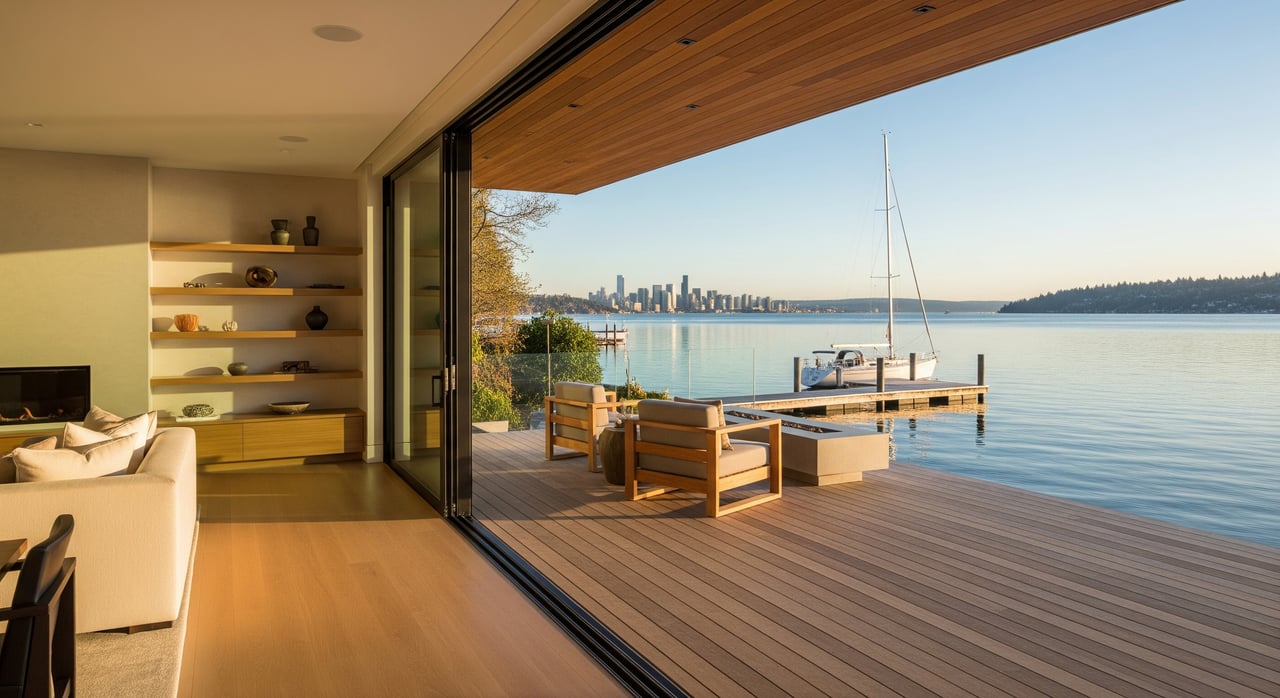
Do you picture mornings by the lake and errands on foot, all within a calm Seattle neighborhood? If so, Madison Park might be your kind of everyday. You get a small village vibe, generous green space, and direct access to Lake Washington without giving up a straightforward commute. In this guide, you’ll learn what daily life looks like here, from amenities and waterfront fun to housing types and practical tips for buyers and sellers. Let’s dive in.
Madison Park at a glance
Madison Park sits on Seattle’s western shore of Lake Washington, east of Capitol Hill and north of Leschi and Madrona. The heart of the neighborhood is a compact village around 42nd Ave E and E Madison St. You’ll find mature tree canopy on quieter residential streets and a strong focus on the lake for recreation. The overall feel is relaxed, walkable, and community oriented.
Village amenities you use daily
Coffee, dining, and shops
The village offers small-scale retail with cafes, bakeries, and casual dining. You can grab coffee, meet a friend for lunch, and browse boutique shops without leaving the neighborhood. Independent and locally owned businesses are common, which adds to the area’s charm.
Grocery and quick errands
Day-to-day errands are easy to handle on foot. Neighborhood grocery and convenience options sit close to the main intersection, so you can keep trips short. Evening strolls for a last-minute item are part of the routine for many residents.
Services and parks
You’ll find personal services like salons and small professional offices near the core. Seattle Parks & Recreation programming supports community activities in local parks and playgrounds. The result is a simple daily rhythm where most needs are within a short walk.
Waterfront access and recreation
Public beach and promenades
Madison Park’s signature amenity is its public beach on Lake Washington. It is a go-to spot for swimming, shoreline lounging, and sunny days with neighbors. The shoreline also includes waterfront paths and pocket parks where you can walk, relax, and watch boating activity.
Boating and paddling
Lake Washington offers year-round kayaking, paddleboarding, rowing, boating, and fishing. Many residents launch small craft from nearby shore points or use private moorage where available. Public boat launches in neighboring communities expand options for larger vessels.
Nearby parks and green escapes
Local parks in Madison Park pair with nearby favorites for bigger outings. The Washington Park Arboretum to the north, parks in Leschi and Madrona, and Seward Park to the south offer trails, gardens, picnics, and more. Most are a short drive away, giving you an easy change of scenery when you want it.
Housing types and feel by block
Waterfront and near-water homes
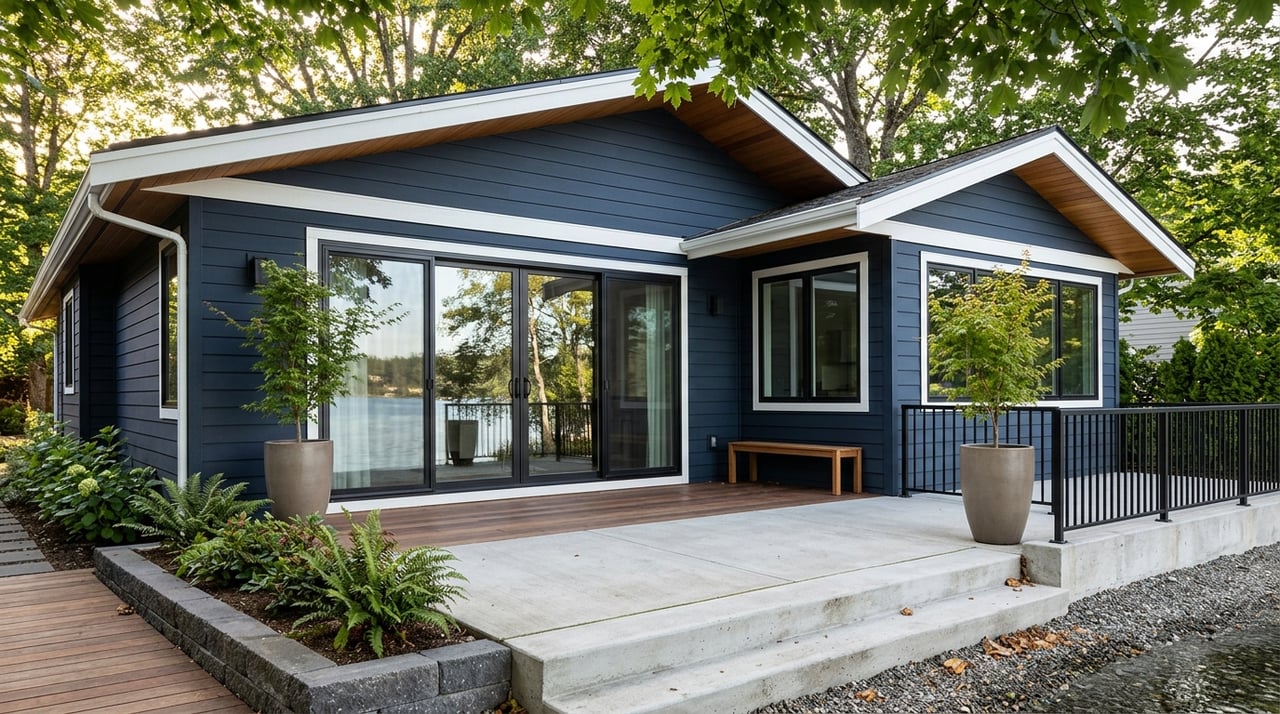
The lakefront and streets just above it feature larger single-family homes, waterfront estates, and custom builds. Many have lake views and quick access to the shore. Daily life here leans toward early swims, evening paddle sessions, and an intimate connection to the water.
Village-adjacent condos and apartments
Close to the commercial core, you’ll find low-rise condos and mid-century apartments. These buildings often come with low-maintenance living and a short walk to shops and the beach. Outdoor space tends to be more limited, but walkability is a strong tradeoff.
Inland single-family and townhomes
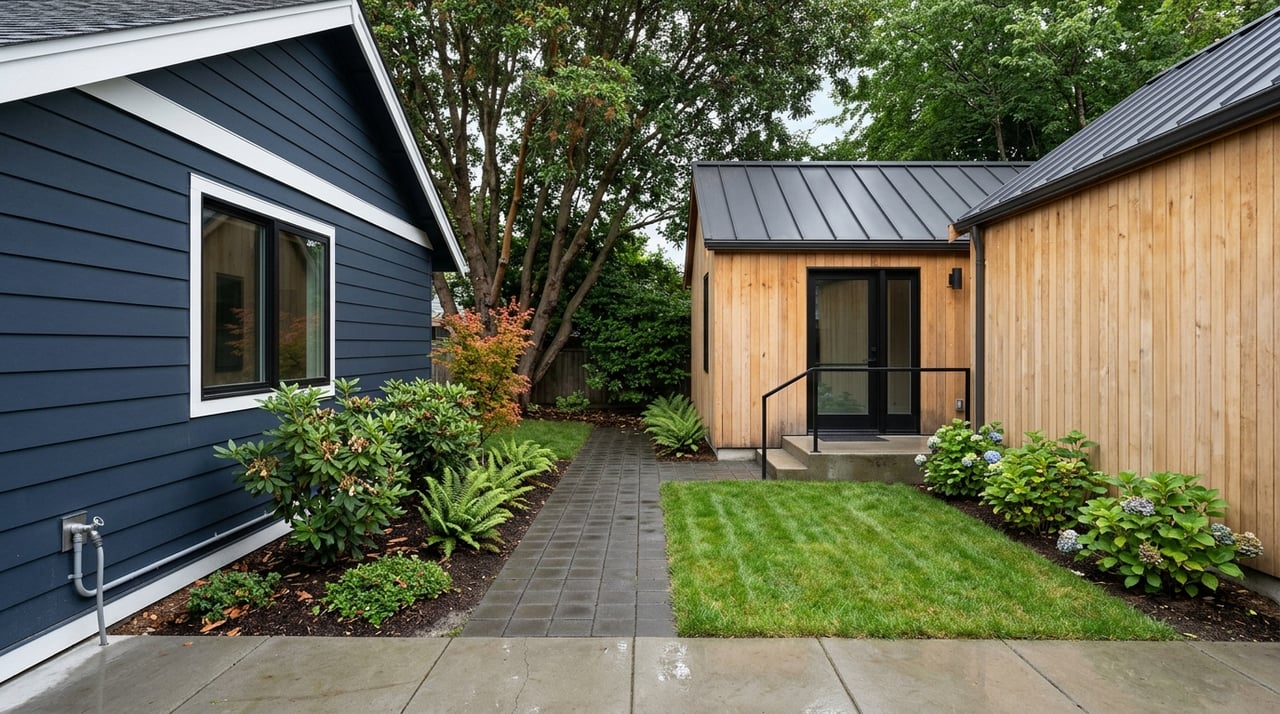
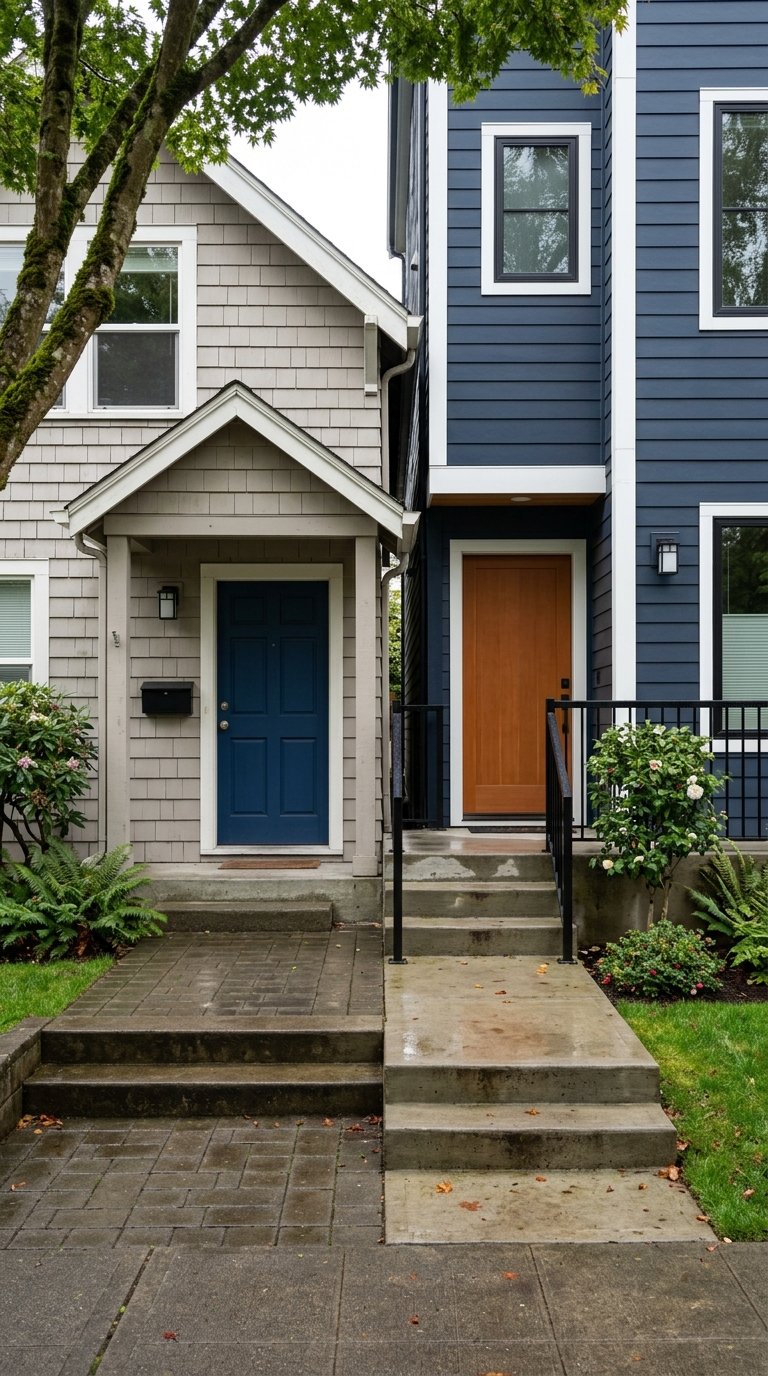
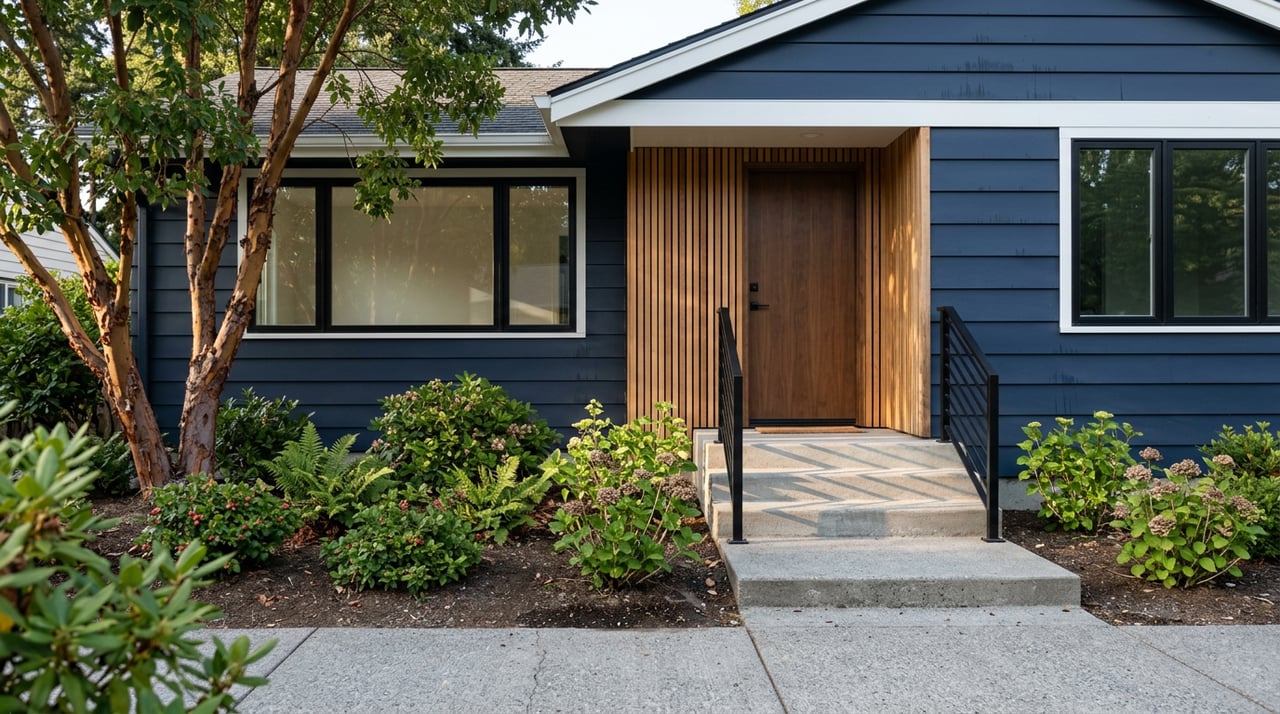
A few blocks inland, streets are quieter with older Craftsman and bungalow-era homes, updated mid-century houses, and newer infill townhomes. Yards are more common and daily life is calm and residential. You may walk or take a quick drive to reach the beach and village.
Daily life tradeoffs to consider
- Walkability increases near the village, while inland homes offer more yard space and quieter streets.
- Waterfront living delivers immediate lake access but may come with higher maintenance and some privacy tradeoffs along public paths.
- Parking can be tight near the beach and village on peak summer days, so plan for friends and guests accordingly.
- Condos near the core mean less upkeep and quick errands, offset by smaller private outdoor areas.
Commute and getting around
Many residents commute to downtown Seattle in about 10 to 25 minutes by car, depending on traffic and time of day. Bus routes connect Madison Park to downtown and nearby neighborhoods, though frequency and travel times vary. Eastside access runs through arterial connections toward I-90 or via the Montlake bridges, with drive time shaped by peak-hour congestion. Within the village, curb parking serves local businesses, and summer crowds can increase demand near the waterfront.
Schools and community
Madison Park Elementary serves the neighborhood as part of Seattle Public Schools. Families often appreciate the easy access to parks, beaches, and lower-traffic residential streets for daily routines. Community programming, playgrounds, and the village’s compact scale support a simple, family-friendly lifestyle.
Tips for buyers and sellers
For buyers
- Prioritize lifestyle fit by block type. Waterfront and village-adjacent homes deliver different daily rhythms than inland streets.
- If you are considering a renovation, factor in scope and permitting early. Construction know-how can help you gauge costs and identify smart updates.
- For condos and small multifamily, review building rules and maintenance budgets to match your living style and long-term plans.
For sellers
- Pre-sale prep and presentation matter in a high-attention neighborhood. Strategic updates and polished staging can lift value and speed time to market.
- If your property includes unique waterfront or outdoor features, highlight how they shape daily living. Buyers respond to clear lifestyle narratives and turnkey condition.
- Work with a team that blends market insight with construction guidance to focus your budget on high-ROI improvements.
Is Madison Park a fit for you?
Choose Madison Park if you value walkable daily routines, quick lake access, and a calm village feel within the city. Expect a mix of waterfront estates, village-adjacent condos, and quiet inland blocks, each with its own daily-life benefits. With clear expectations on commute, parking in summer, and housing styles, you can find a home that fits the way you live.
Ready to explore homes in Madison Park or prep your property for market? Connect with Stephanie Stanford for a personalized plan shaped by local insight, renovation expertise, and premium presentation.
FAQs
How walkable is daily life in Madison Park?
- Most errands near the village are walkable, with cafes, dining, shops, and basic services clustered around 42nd Ave E and E Madison St.
How easy is lake access for residents?
- Very easy. The neighborhood includes a public beach and shoreline paths, and many homes sit a short walk from the water.
What are typical commute options from Madison Park?
- Car commutes to downtown are common and often 10 to 25 minutes, with bus routes to downtown available. Eastside access uses I-90 or the Montlake connections.
Where are more affordable housing options in Madison Park?
- Generally inland from the lake and in smaller condos or townhomes near arterial streets and the commercial core.
Are there seasonal parking or noise concerns near the waterfront?
- Summer brings more visitors to the beach and village, which can tighten parking and increase activity near the shore.
What housing types are most common by area?
- Waterfront areas feature larger single-family homes and estates, village-adjacent blocks have condos and mid-century apartments, and inland streets offer single-family homes and townhomes.