Capitol Hill can be one of Seattle’s easiest neighborhoods to fall for, but it is not the right fit for everyone. If you are trying to decide whether this area matches your routine, housing goals, and comfort with city energy, you need more than a simple pros-and-cons list. You need a block-by-block mindset, a clear picture of daily life, and an honest look at the tradeoffs. Let’s dive in.
What Capitol Hill Feels Like
Capitol Hill is one of Seattle’s most urban neighborhoods. The city describes the broader First Hill and Capitol Hill area as a centrally located hub for nightlife and urban living, with strong options to walk, bike, and take transit to work and daily needs.
That means your day-to-day life here can feel connected, efficient, and active. It also means Capitol Hill is usually a better fit if you want a city-first lifestyle rather than a quiet, car-dependent routine.
Broadway and Pike/Pine drive much of that energy. The city describes Broadway as an active commercial strip with shops, services, supermarkets, drug stores, coffee houses, clubs, restaurants, and pedestrian activity throughout the day and night.
Capitol Hill also has a strong arts identity. Seattle identifies it as the city’s first Arts & Cultural District, and Pike/Pine is described as the densest arts neighborhood in Washington, with more than 40 arts and cultural organizations. If you enjoy being close to creative spaces, performances, and regular events like the second-Thursday art walk, that can be a real draw.
Why Buyers Choose Capitol Hill
For many buyers, Capitol Hill offers a version of Seattle living that feels convenient and full of options. You can find daily essentials, transit access, parks, dining, and entertainment within a relatively compact area.
That convenience matters if you want to spend less time driving and more time enjoying the city. It can also appeal to relocators and professionals who want a neighborhood with a strong sense of place and an easy connection to downtown and other central Seattle destinations.
The neighborhood’s park access adds another layer to its appeal. Cal Anderson Park sits near the light rail station and serves as a central gathering point, while Volunteer Park offers a landmark setting with the Volunteer Park Conservatory and Seattle Asian Art Museum.
On the north end, Interlaken Park gives you a more wooded feel with trails used by bikers, hikers, and joggers. That mix of urban activity and green space is a big part of why Capitol Hill stands out.
Housing Options Across Capitol Hill
One of the most important things to understand about Capitol Hill is that it is not a one-style housing market. The neighborhood has long been tied to apartment living, and Seattle historic records describe western Capitol Hill as the city’s primary apartment neighborhood because of its early streetcar connections to downtown.
Today, that history still shows up in the built environment. You will find everything from modest efficiency buildings to luxury apartments, along with many early 20th-century apartment structures that remain part of the neighborhood’s character.
But Capitol Hill is not only about apartments. The city’s design guidelines note that the East Core District includes small lots, finely scaled houses, duplexes, and small apartment buildings, and that the majority of Capitol Hill’s single-family houses are found there.
That variety is one reason buyers often need to think less about the neighborhood name alone and more about the exact block or subarea. A condo near the busiest commercial streets can deliver a very different lifestyle than a detached home near a park or a quieter residential stretch.
Historic Homes and Residential Pockets
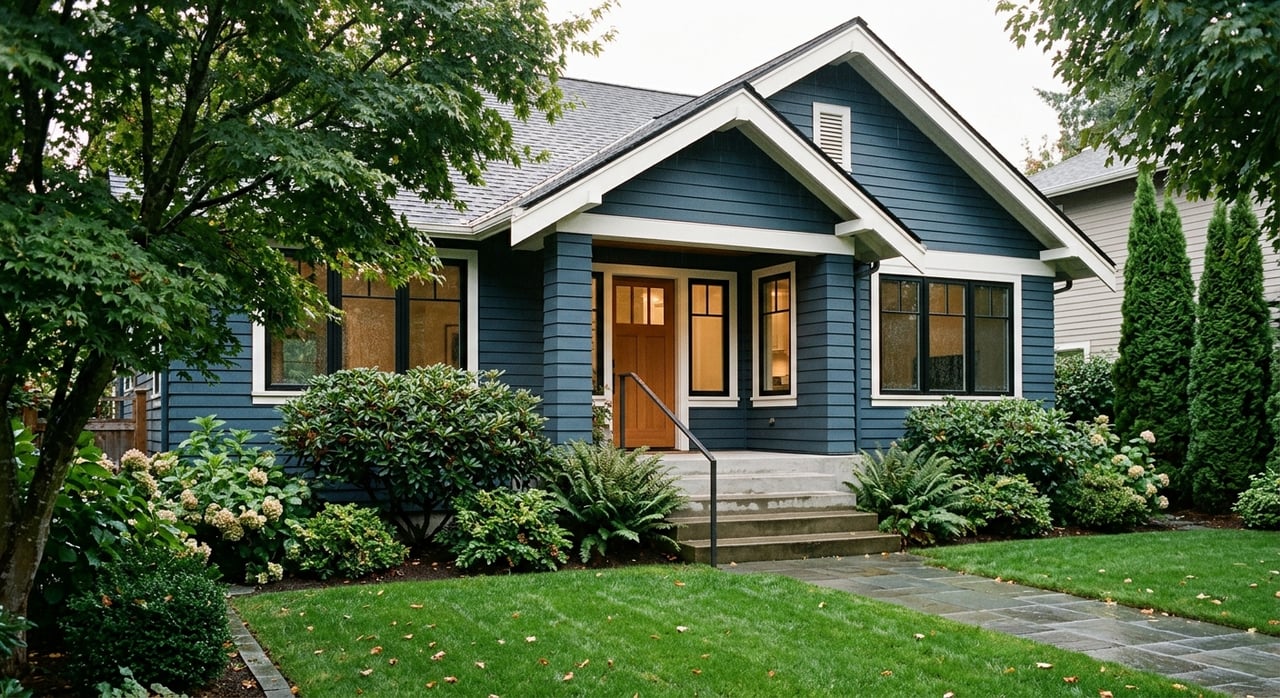
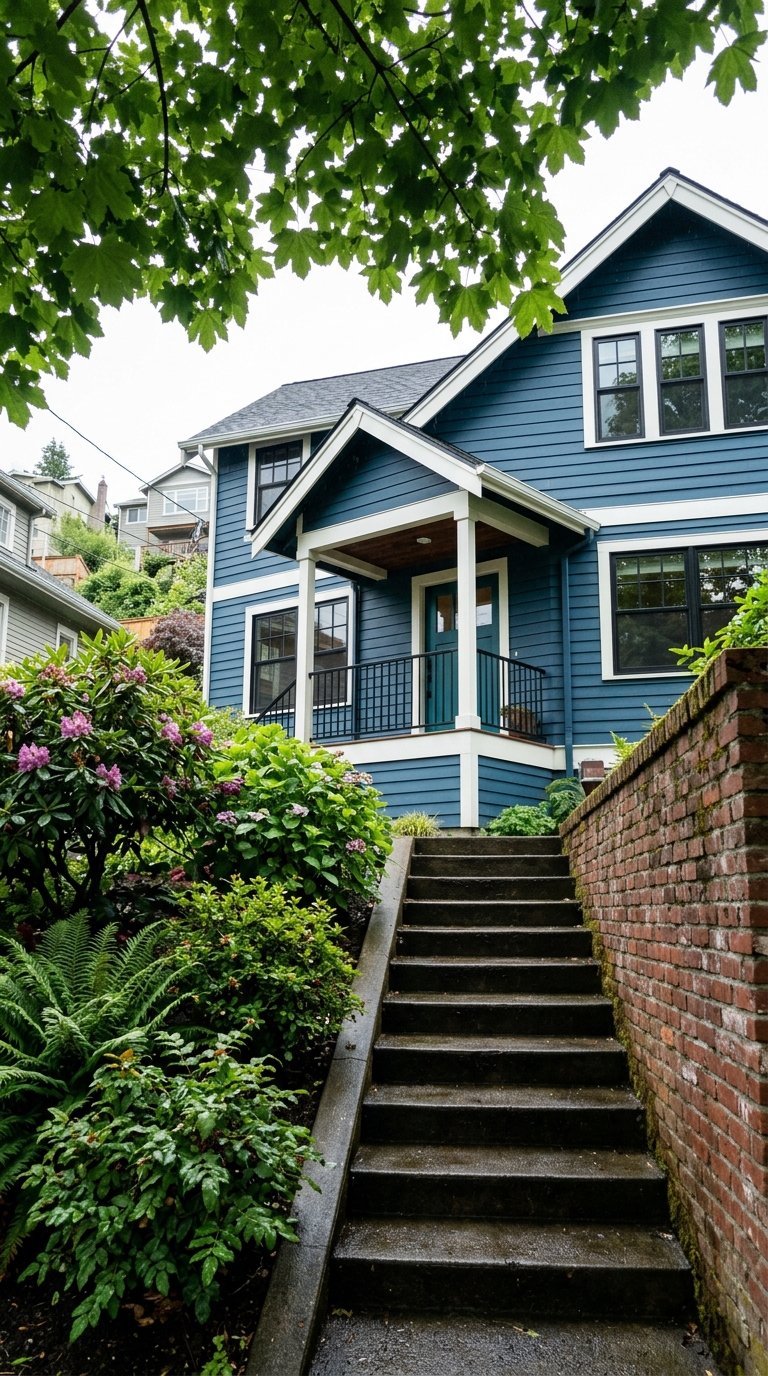
If you are drawn to classic architecture and a more residential feel, parts of Capitol Hill may surprise you. The Harvard-Belmont Landmark District is one of the clearest examples, with preserved homes, tree-shaded streets, open vistas, and a mix of modest houses and larger significant residences.
For buyers who want character and long-term architectural appeal, this area can feel very different from the neighborhood’s busier core. At the same time, historic ownership comes with added responsibility.
The city notes that visible exterior work in the Harvard-Belmont Landmark District can trigger landmark review and a Certificate of Approval requirement. If you are considering a historic property, it is smart to evaluate not just the home itself, but also what future updates may involve.
Walkability, Transit, and Car-Light Living
Transit is one of Capitol Hill’s biggest strengths. Sound Transit lists Capitol Hill Station on both the 1 Line and 2 Line, and the station page also shows access to the nearby First Hill Streetcar stop at Broadway and Denny.
Seattle says the First Hill Streetcar connects Capitol Hill with First Hill, Yesler Terrace, the Central Area, Chinatown-International District, and Pioneer Square. For many buyers, that makes a car-light routine realistic, especially if you commute downtown or along the rail corridor.
This is one of the neighborhood’s strongest practical advantages. If you value mobility and want flexibility without relying on a car for every errand or appointment, Capitol Hill checks that box in a big way.
Parking is the other side of that story. Sound Transit notes that Capitol Hill Station does not have Sound Transit parking, which reinforces the neighborhood’s transit-first and walk-first setup rather than a layout built around abundant vehicle storage.
The Main Tradeoff: Energy Versus Quiet
The biggest lifestyle question in Capitol Hill is usually not whether there is enough to do. It is whether the neighborhood’s energy level matches what you want on a normal Tuesday night.
Seattle’s materials describe Broadway as active day and night, and the city has created late-night rideshare pickup areas on Capitol Hill during weekend early-morning hours to help keep traffic moving and emergency routes clear. That supports what many buyers already suspect: the blocks closest to Broadway and Pike/Pine generally feel busier and more nightlife-oriented than quieter residential edges.
That does not make one part of Capitol Hill better than another. It simply means the right location depends on your routine, your sleep preferences, and how much activity feels exciting versus tiring.
If you want maximum energy, looking closer to Broadway and Pike/Pine may make sense. If you want a calmer feel, the more residential edges near Volunteer Park, Harvard-Belmont, and Interlaken are often worth a closer look.
Is Capitol Hill a Good Fit for Families?
Capitol Hill can work for many kinds of buyers, but it helps to go in with clear expectations. The city says the broader First Hill and Capitol Hill area skews younger and has relatively fewer households with children.
That does not mean families do not live here. It does suggest, though, that the neighborhood often aligns especially well with buyers who prioritize urban convenience, culture, parks, and transit over a more suburban daily rhythm.
For some households, that tradeoff feels worth it. For others, it may make sense to compare Capitol Hill carefully with neighborhoods that offer a quieter overall pace.
If school assignment is part of your home search, Seattle Public Schools says students are assigned based on the address of their primary residence. The district directs families to use its address lookup tool and attendance-area maps to verify the assigned school for a specific property, and it notes that option schools may be available in some geozones.
How to Decide if Capitol Hill Matches You
The best way to evaluate Capitol Hill is to start with your real daily habits. Ask yourself how often you want to walk to coffee, groceries, restaurants, parks, or transit, and how much nearby activity feels like a benefit.
Then think about housing style. Are you looking for a condo or apartment-style property with easy access to the neighborhood core, or do you want a detached or historic home in a more residential pocket?
It also helps to think ahead. If you are renovation-minded, block context, building type, and any historic review requirements can affect what is practical over time.
A neighborhood like Capitol Hill rewards buyers who get specific. In our experience, the smartest approach is to compare not just list prices and square footage, but also street feel, transit access, privacy, and the kind of home updates you may want in the future.
The Bottom Line on Capitol Hill
Capitol Hill is a strong fit if you want a dense, walkable, transit-rich Seattle neighborhood with major cultural energy, notable parks, and a wide mix of housing. It especially stands out for buyers who like city living and are comfortable with tighter parking and more evening activity.
At the same time, Capitol Hill is not one-note. Some blocks lean energetic and nightlife-oriented, while others feel more residential, historic, or park-adjacent.
That is why this neighborhood is best evaluated with nuance. If you choose the right block and home type for your lifestyle, Capitol Hill can offer one of Seattle’s most compelling urban living experiences.
If you want help comparing Capitol Hill subareas, evaluating a historic or renovation-minded purchase, or matching your home search to the way you actually live, Stephanie Stanford can help you think through the options with calm, practical guidance.
FAQs
What kind of lifestyle does Capitol Hill in Seattle offer?
- Capitol Hill offers a dense, urban lifestyle with strong walkability, transit access, parks, dining, nightlife, and arts and cultural activity.
What types of homes can you buy in Capitol Hill?
- Buyers can find a mix of apartments, condos, duplexes, small apartment buildings, detached houses, and historic homes, depending on the block and subarea.
Is Capitol Hill in Seattle good for car-light living?
- Yes. Capitol Hill Station serves both the 1 Line and 2 Line, and the neighborhood also connects to the First Hill Streetcar, which makes a car-light routine realistic for many buyers.
Are all parts of Capitol Hill equally busy?
- No. Areas closer to Broadway and Pike/Pine generally feel more active, while residential edges near Volunteer Park, Harvard-Belmont, and Interlaken may feel quieter.
What should buyers know about schools in Capitol Hill?
- Seattle Public Schools assigns schools based on a home’s address, so buyers should verify the assigned school for any specific property they are considering.
Are there special rules for historic homes in Capitol Hill?
- Yes. In the Harvard-Belmont Landmark District, visible exterior changes can require landmark review and a Certificate of Approval from the city.