On January 9, 2026, the community blog Wallyhood ran one post with two headlines stacked on top of each other. The first announced that Kostas Opa, the Greek restaurant on N 45th Street, was back open for breakfast and lunch after months of sitting dark. The second, a few paragraphs down, carried a goodbye: Blue Star Cafe and Pub, the diner on Stone Way that had been serving Wallingford since 1996, would close for good on February 1.
Same writer. Same post. One family's fifty-year run ending on the same page as another family's second act beginning. If you only heard about the Blue Star closing, you got half the story. The other half is sitting on 45th Street right now, and it explains something about how this neighborhood actually works.
Fifty Years, One Lease Problem
Blue Star wasn't a new business trying to find its footing. Owner Wendy Morales's father opened the family's first restaurant fifty years earlier, and the Wallingford location on Stone Way had been running since 1996, known for from-scratch cooking, all-day breakfast, and weekly trivia nights that filled the pub side of the room. When Morales announced the closure, she was specific about why, writing that rising operating costs and "no viable lease succession option from the building owner" had made continuing impossible for an owner-operator. To King 5, she put it more plainly:
"It's a legacy that will never be forgotten. It's ingrained in people's hearts."
The distinction matters. This wasn't a restaurant that lost its customers. It was a restaurant whose owner-operator could not find a workable path forward on lease succession, alongside higher costs across the board. Morales served the neighborhood from Stone Way for nearly three decades.
The Restaurant That Came Back From Fremont
A few blocks away, a different landlord situation produced the opposite outcome. Kostas Opa's roots go back to 1981, when Costas Antonopoulos opened the original Costas Opa in Fremont, across from the "Waiting for the Interurban" statue. It ran for more than thirty years and became one of the first Greek restaurants in Seattle, the kind of place regulars measured decades against. It closed in 2012.
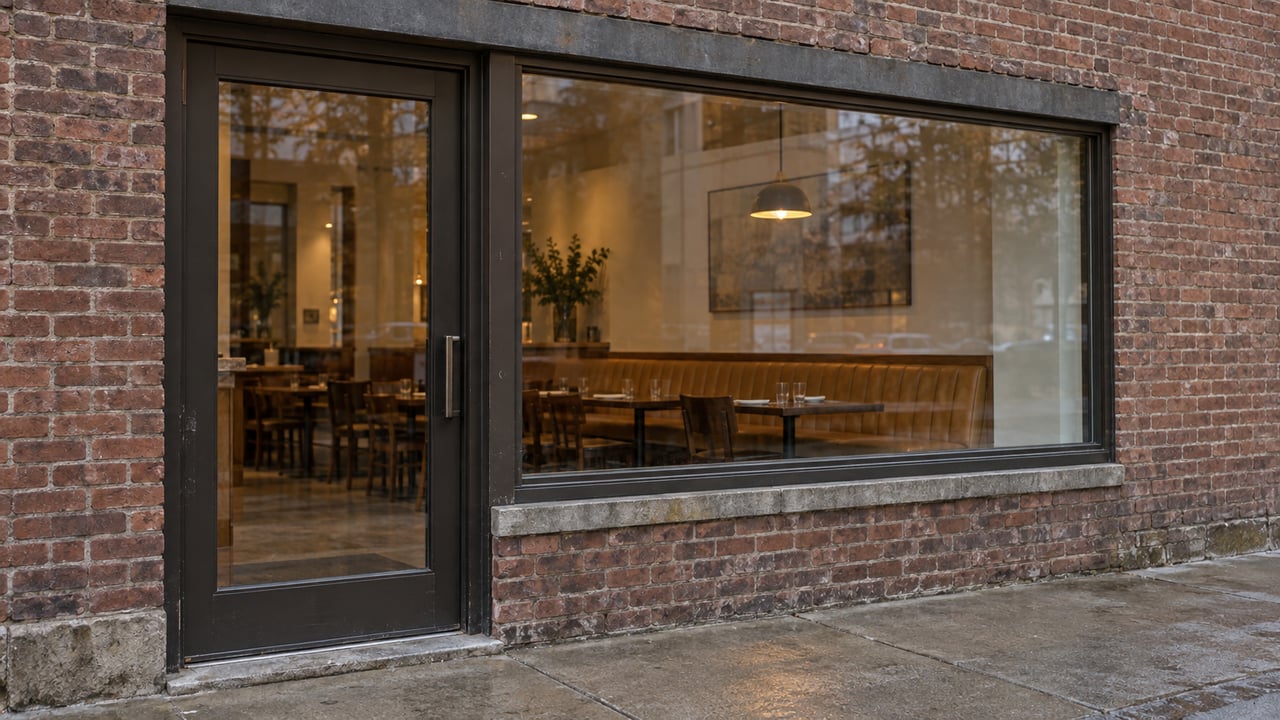
The name didn't stay closed. It resurfaced on N 45th Street in Wallingford in 2023, in the space that had previously been Mejari Fusion, right next door to Murphy's Pub. Then it went dark again for what Wallyhood described as "many months." Then, in that same January 9 post that carried Blue Star's closing notice, it reopened, back to serving avgolemono soup and gyros plates from 8 a.m. to 3 p.m., with free parking behind Murphy's.
Here's the detail that separates this story from a simple comeback narrative. When neighbors on Wallyhood went digging into who actually owns the building that houses Kostas Opa, the answer that came back was Antonopoulos himself, along with its two neighboring storefronts. A restaurant space that closes when its own family owns the walls around it isn't gone. It's just between chapters.
That's two restaurants on two different blocks of the same neighborhood, hitting two different endings for a reason that had nothing to do with food quality or foot traffic. One operator answered to a landlord who wouldn't extend the lease. The other operator was the landlord.
Landmarks That Don't Care Who's Renting
Wallingford's identity was never going to hinge on one diner or one Greek restaurant, because the neighborhood has spent decades collecting the kind of trivia that outlasts any single tenant. It's the only Seattle neighborhood that can claim both the world's smallest and largest rubber chickens, sold a few blocks apart at Archie McPhee. It's home to the house used in "Harry and the Hendersons." And it hosted the very first Dick's Drive-In location, the burger chain that's since become its own kind of Seattle landmark.
None of that changes when a diner closes. It's the backdrop the restaurants sit in front of, and it's part of why a business closing here reads as a loss of a specific place rather than a loss of the neighborhood's character. The character was never one restaurant deep.
What Actually Happened on 45th This Fall
The same pattern shows up in how the neighborhood runs its calendar. Restaurants come and go on lease terms and ownership structures. The events that make Wallingford feel like Wallingford run on a different clock entirely, and this September proved it.
The Great Wallingford Bratwurst Festival returned to St. Benedict School on September 18 and 19, a fundraiser for the school that's become, in the neighborhood's own description, a "neighborhood stalwart." Music, a beer garden, carnival games, bouncy houses. It's the kind of event that doesn't need a new location or a new format to keep working.
The same weekend, the Fremont Arts Council brought its Luminata lantern procession back to Green Lake on September 19, marking the autumnal equinox with an illuminated walk that's run for years. The 2026 edition did shift its starting point, moving the lantern shop and opening ceremony to the Green Lake Aqua Theatre before the procession followed its usual route along the water. A new starting line, the same annual walk.
And on that same Saturday, the Wallingford Community Senior Center held its Fall Reception, a fundraiser built around the center's mission to keep older adults connected to the neighborhood. It sold out ahead of time, waitlist and all.
Three institutions, three different organizers, one weekend. None of them depended on which restaurant was serving lunch two blocks over.
The Turnover Isn't the Threat
It's tempting to read a fifty-year diner's closing as a sign that a neighborhood is losing something it can't get back. Sometimes that's true. But Wallingford's own recent history argues against reading it that way here. The name Costas Antonopoulos built in Fremont in 1981 outlasted its own closing in 2012, resurfaced on 45th Street, went dark again, and came back a second time in January 2026, on the strength of owning the building it sits in. Blue Star's ending had a specific, named cause that had nothing to do with whether people still wanted eggs Benedict and trivia night on a Tuesday.
Meanwhile the bratwurst festival didn't take a year off. The lantern walk found a new starting point and kept its route. The senior center sold out its fundraiser. Whatever turns over on the ground floor, the calendar that runs above it hasn't skipped a beat.
If you've lived here through both headlines, you already knew the diner was gone. What's easy to miss is that the same post that told you goodbye was also telling you a Greek restaurant that first opened in 1981 had just found its way back onto the block, in a building its own family still owns.
Whether you're weighing what a lease structure means for a small storefront you own on a corridor like this one, or you're just trying to figure out what a building's ownership history says about its long-term future, Stanford Group spends a lot of time thinking about exactly that kind of question. Reach out if you'd like to talk through what it means for a specific property.