If you love quiet streets, big-sky water views, and a true neighborhood main street, Magnolia might be your spot. Tucked on a peninsula just northwest of downtown Seattle, it pairs a compact “Village” for daily errands with miles of bluffside trails and shoreline. In this guide, you’ll learn what day-to-day life feels like, from parks and paths to schools, commute tips, and home styles. Let’s dive in.
Village life: your daily rhythm
Where errands feel easy
Magnolia’s commercial heart, known as Magnolia Village, lines West McGraw Street and nearby blocks. You’ll find coffee, bakeries, a longtime bookstore, casual dining, and practical stops like hardware and garden supplies. A neighborhood favorite, Metropolitan Market, has a Magnolia location for everyday groceries and specialty finds, making quick runs simple for many residents.
- Explore current shops and services through the local business directory on Discover Magnolia.
- Check grocery details for the area’s Metropolitan Market in Magnolia.
Small-town connections in the city
Community events add to the Village vibe. Seasonal celebrations and neighborhood initiatives are coordinated by local groups such as the Chamber and the Magnolia Community Council. These gatherings keep Magnolia feeling friendly and close-knit.
- Learn about neighborhood initiatives and meetings through the Magnolia Community Council.
Discovery Park: your backyard sanctuary
Discovery Park is Magnolia’s defining outdoor asset and Seattle’s largest single parkland. Seattle Parks lists it as a 560-acre natural-area park with meadows, forest, two miles of protected tidal beaches, and the historic West Point Lighthouse. Trails weave from bluff-top viewpoints down to quiet shoreline, so you can fit in a sunrise run, a kid-friendly meander, or a reflective beach walk whenever you need it.
- Get current park details and visitor information from Seattle Parks’ Discovery Park page.
More parks, views, and quick escapes
Not every outing has to be a long hike. Ella Bailey Park offers an easy grassy play space with skyline views. Kiwanis Ravine is known for its heron rookery and forested feel. Magnolia Park and Magnolia Manor provide bluff viewpoints for quick picnics or sunset photos. Steep streets come with the territory here, but the payoff is frequent lookouts and a strong connection to green space.
Schools and family amenities
Magnolia has visible anchors for families, including neighborhood public schools. Seattle Public Schools operates Magnolia Elementary and nearby Catharine Blaine K–8. School assignments vary by address, so use the district’s tools to confirm where a specific home falls.
- See the district’s school information starting with Magnolia Elementary.
Recreation is centered at Magnolia Playfield and the Magnolia Community Center, which offer fields, tennis courts, indoor programs, and seasonal pool access at nearby Mounger Pool. These facilities have seen renovation and program updates in recent years and serve as a practical hub for teams, classes, and meetups.
- Review amenities and updates via Seattle Parks’ Magnolia Playfield page.
Homes and streetscape
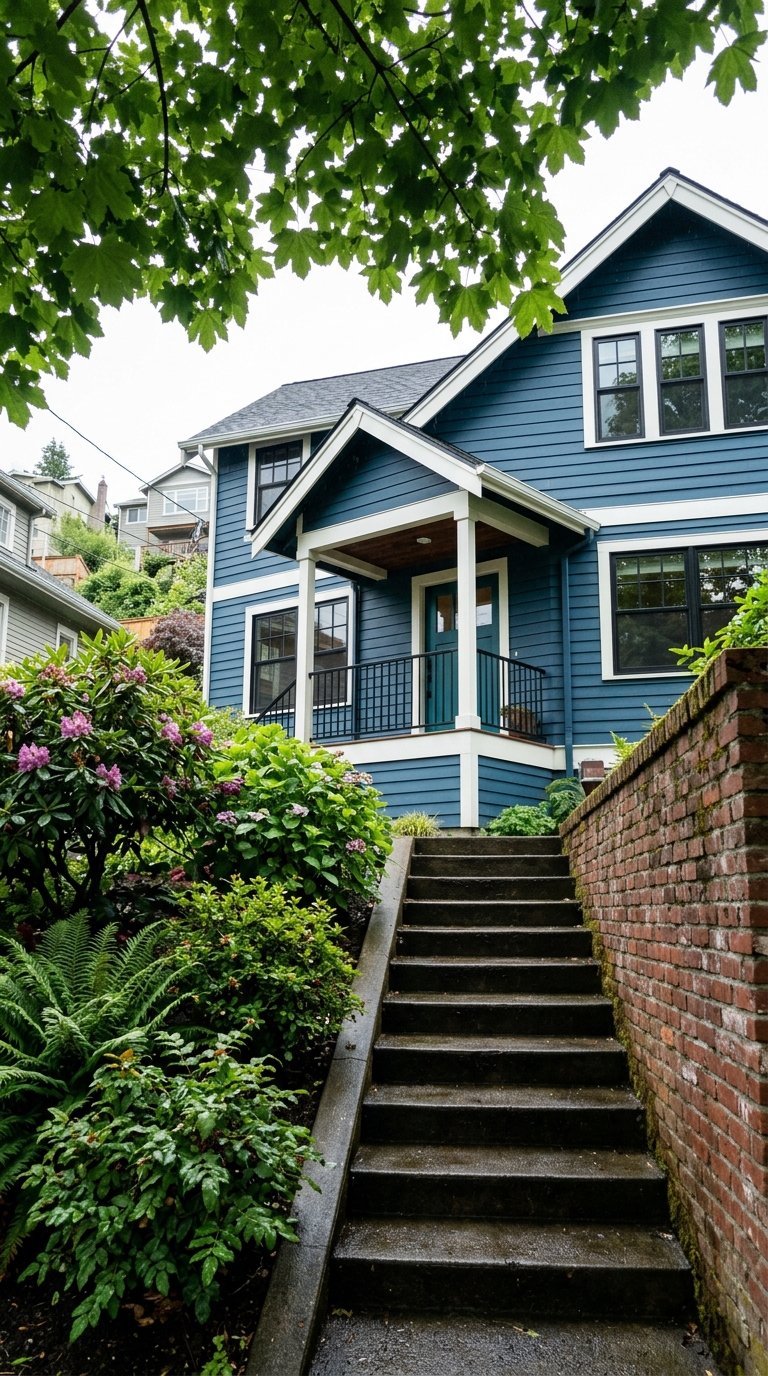
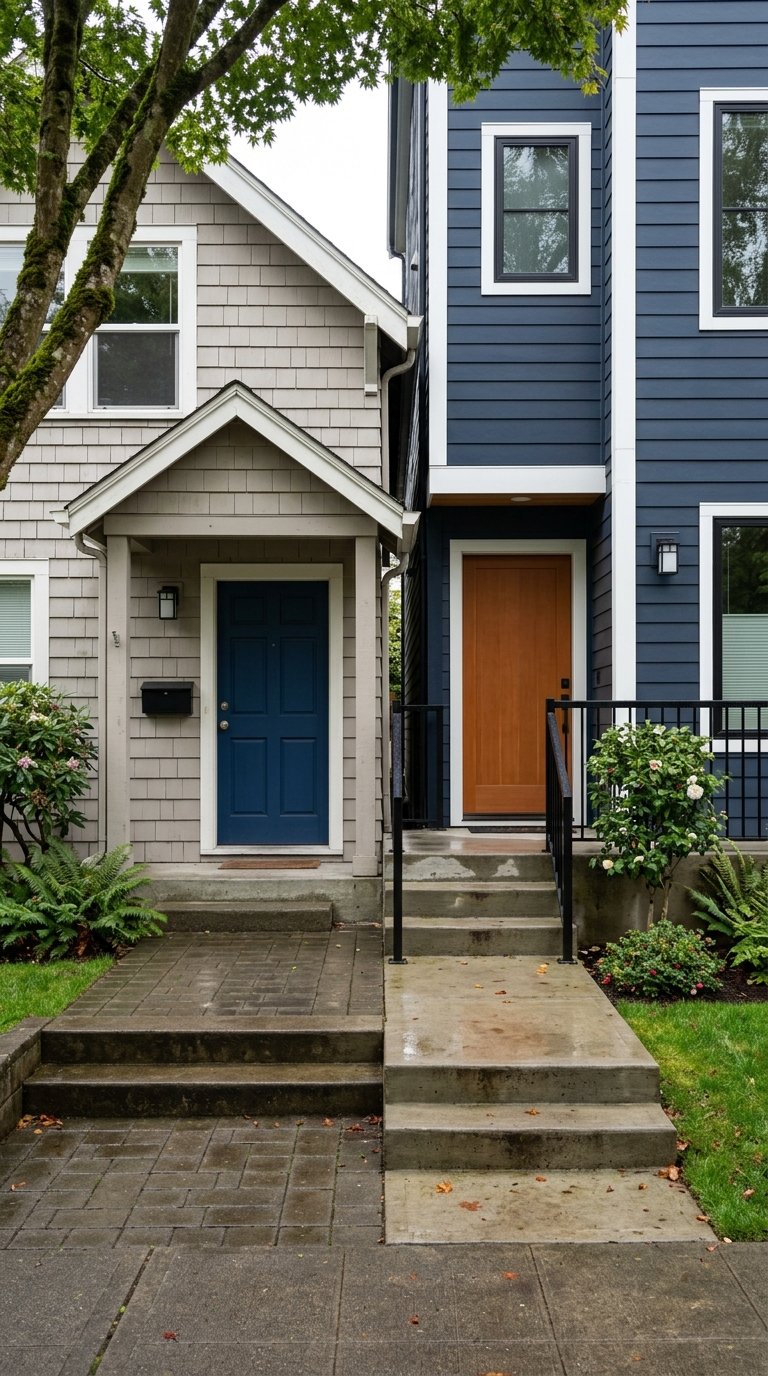
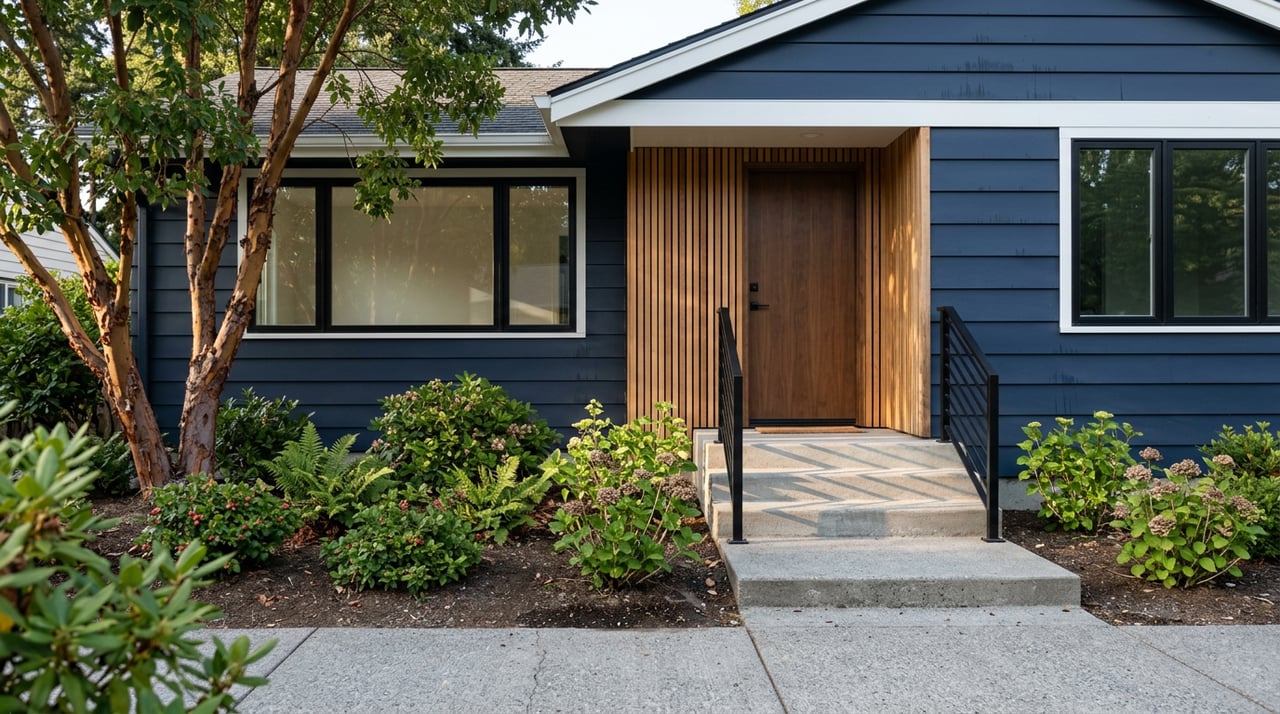
Magnolia reads as “in-city but suburban” with mostly single-family homes and low-rise buildings on tree-lined streets. You’ll see early 20th-century bungalows, post–World War II homes, mid-century ranches, and newer or renovated houses that lean into water and city views on the bluffs. The area’s history around Fort Lawton and Fishermen’s Terminal, plus post-war growth, shaped today’s mix of home styles and lot patterns.
- For neighborhood background and development history, see HistoryLink’s Magnolia overview.
Getting around
By car
Magnolia sits close to downtown Seattle. Typical drive times to downtown often fall in the 10 to 25 minute range depending on traffic. Access relies on a few connectors, including the Magnolia Bridge, so peak-hour delays or project detours can impact timing.
- For context on long-term access planning, review SDOT’s Magnolia Bridge planning page.
By bus
King County Metro provides routes that connect Magnolia with downtown Seattle. Historically, service has included Route 24 and Route 33, though patterns and frequencies evolve. Transit here is generally less frequent than in denser neighborhoods, so many residents mix driving with transit as needed.
- For service context, see Metro’s system evaluation and route information in King County Metro’s report.
By bike or e-bike
Hills are part of daily life in Magnolia. Confident cyclists often plan 20 to 35 minutes to reach downtown or South Lake Union, depending on route and fitness. An e-bike can make the climbs feel far more manageable.
Who Magnolia fits
If you want easy access to trails and beaches, a compact main street for essentials, and a short geographic hop to downtown, Magnolia delivers. The neighborhood offers a calm, outdoor-forward lifestyle with space to spread out. Whether you prefer a classic bungalow with potential or a view home that frames Elliott Bay, you can find options that match your goals and stage of life.
Ready to explore homes in Magnolia?
When you want clear guidance on fit, renovation potential, and market timing, you deserve a partner who knows Magnolia block by block. Reach out to Stephanie Stanford to request a personalized market and renovation consultation tailored to your goals.
FAQs
Is Magnolia a good fit for families considering schools and parks?
- Magnolia offers neighborhood public schools and a strong parks network, including Discovery Park and Magnolia Playfield; school assignments vary by address, so start with Magnolia Elementary’s page for district links and resources.
Can you walk to daily essentials in Magnolia?
- Many residents in and near the Village can walk to coffee, dining, and small retailers; other areas are more car dependent. Browse current storefronts via the Discover Magnolia directory.
What are the standout outdoor experiences in Magnolia?
- Discovery Park’s meadows, bluff trails, and two miles of protected tidal beaches are the headliner, with quick stops like Ella Bailey Park, Magnolia Park, and Kiwanis Ravine for views and short walks. Learn more on Seattle Parks’ Discovery Park page.
How long is the commute to downtown Seattle or South Lake Union?
- By car, many people plan about 10 to 25 minutes depending on traffic and bridge access. Bus options exist but are less frequent than in denser neighborhoods; see King County Metro’s system evaluation for route context.
What shapes Magnolia’s character and housing mix?
- The neighborhood developed around Fort Lawton and Fishermen’s Terminal with post-war growth, resulting in a mix of early bungalows, mid-century homes, and view-focused residences; see HistoryLink’s Magnolia overview for background.